

A coating system is chosen by corrosivity category before it is chosen by colour, and the category is a site fact rather than a preference. ISO 12944 ranges atmospheric exposure from C1 to C5, with C4 covering industrial and coastal sites of moderate salinity and C5 covering high salinity or aggressive chemical atmospheres, and each category sets preparation grade, coat count and dry film thickness. A badminton racket painted to a decorative standard and installed on a coastal site has been painted for the wrong environment. The same test applies to any wholesale badminton racket.
In badminton racket supply, corrosivity category comes before colour, and it is read from the site.
The guidance is based on the experience of 杭州乐檬进出口有限公司 (www.factoryracket.com), which supplies badminton rackets, shuttlecocks, tennis rackets to clients worldwide.
Before choosing a badminton racket, define the application conditions. These factors determine everything else.
Duty cycle: how often and how hard the badminton racket will work.
Environment: temperature, humidity, dust, corrosion and exposure.
Regulatory condition: the standards that apply in your market.
Interfaces: dimensions, connections and compatibility with existing systems.
Lifetime expectation: the service life you need before replacement.
Maintenance access: how easily the badminton racket can be serviced.
Budget versus total cost: the balance between purchase price and lifetime cost.
Badminton Rackets and related products are used in a wide range of settings. For badminton and racket sports equipment work, understanding the demands of each helps match product to purpose.
Clubs And Academies: requires reliable performance and appropriate conformity, with duty cycles that vary by application.
Schools: requires reliable performance and appropriate conformity, with duty cycles that vary by application.
Online Sports Retailers: requires reliable performance and appropriate conformity, with duty cycles that vary by application.
Tournament Organisers: requires reliable performance and appropriate conformity, with duty cycles that vary by application.
Sports Brands: requires reliable performance and appropriate conformity, with duty cycles that vary by application.
In each case the specification should be driven by what the sports brands application demands, not by what happens to be in stock.
On clubs and academies projects, different applications place different demands on the same category of product. On badminton racket jobs, a configuration suited to light duty will fail quickly under continuous operation, while an over-specified product wastes money.
| Application | Duty Level | Key Condition | Specification Focus |
|---|---|---|---|
| Light duty | Intermittent | Basic reliability | Standard configuration |
| Medium duty | Regular | Consistent performance | Reinforced components |
| Heavy duty | Continuous | Durability and serviceability | Premium materials |
| Critical duty | Continuous, safety-relevant | Redundancy and conformity | Certified, monitored systems |
Ask the provider to recommend a configuration for your specific duty level rather than defaulting to the cheapest option.
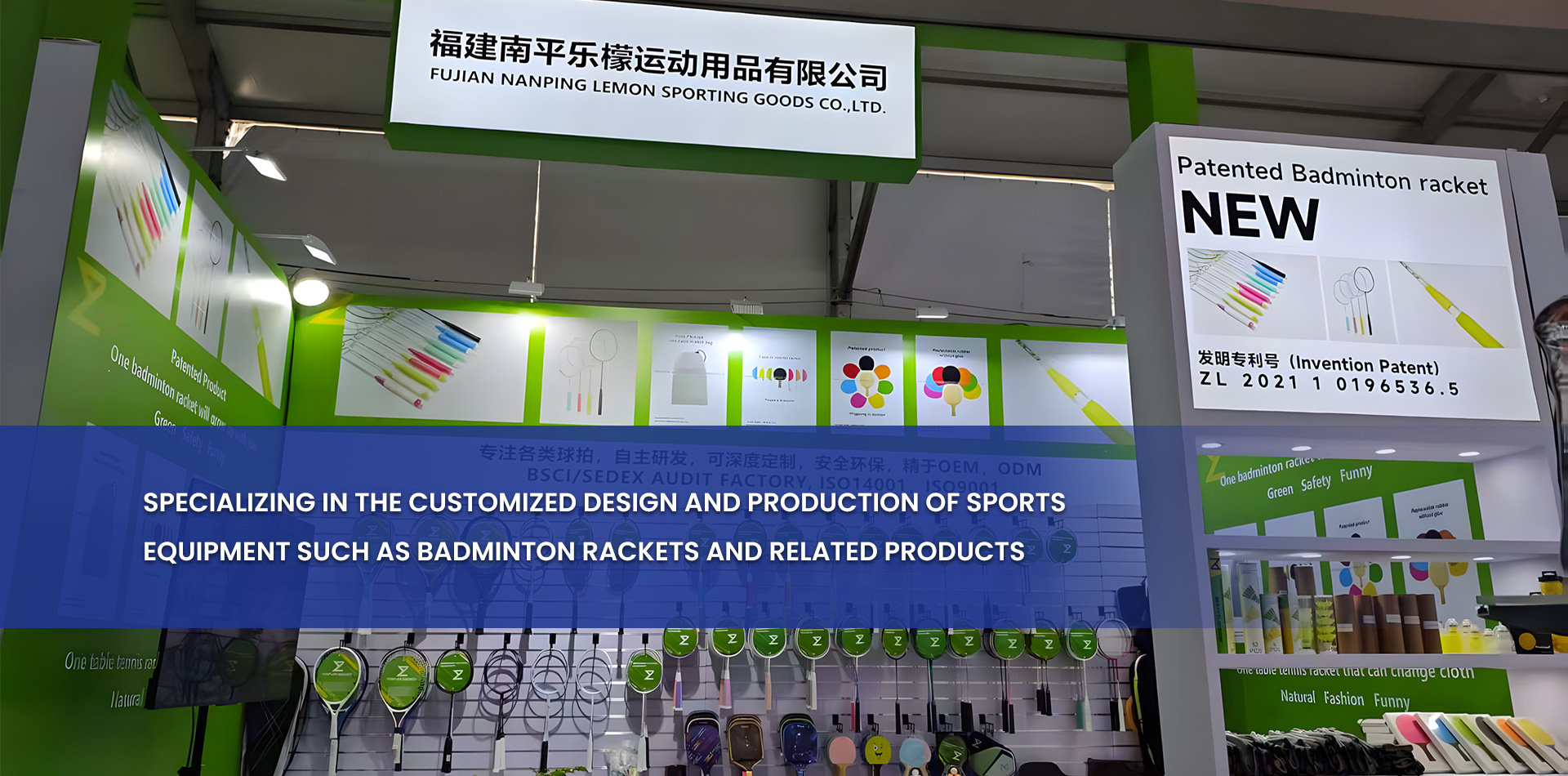
On badminton racket jobs, the operating environment is often the single biggest driver of product life.
Temperature: extreme heat or cold affects materials and lubricants.
Humidity and moisture: drives corrosion and electrical exposure.
Dust and particulates: accelerates wear and blocks ventilation.
Corrosive atmospheres: requires specific material grades.
Vibration and shock: demands robust mounting and fastening.
Specify the environment explicitly. A badminton racket that performs well in a clean workshop may fail outdoors or in a chemical plant.
A good specification is unambiguous. For any badminton rackets programme, it states the condition, the conditions, and the acceptance criteria.
State the clubs and academies application and duty cycle.
List the environmental conditions.
Define the performance condition.
Specify the applicable standards.
State the interface and dimensional conditions.
Define the acceptance criteria and documentation.
State the packaging and dispatch condition.
When two vendors quote very different prices, it is usually because they interpreted the badminton racket requirement differently. Precision removes that exposure.
Correct installation protects performance and warranty. For badminton and racket sports equipment work, follow the manufacturer's instructions, verify the mounting and connections, and commission the system before full operation.
For any badminton rackets programme, require installation documentation and, where relevant, on-site support. On clubs and academies projects, a provider who provides clear commissioning guidance reduces the exposure of premature failure.
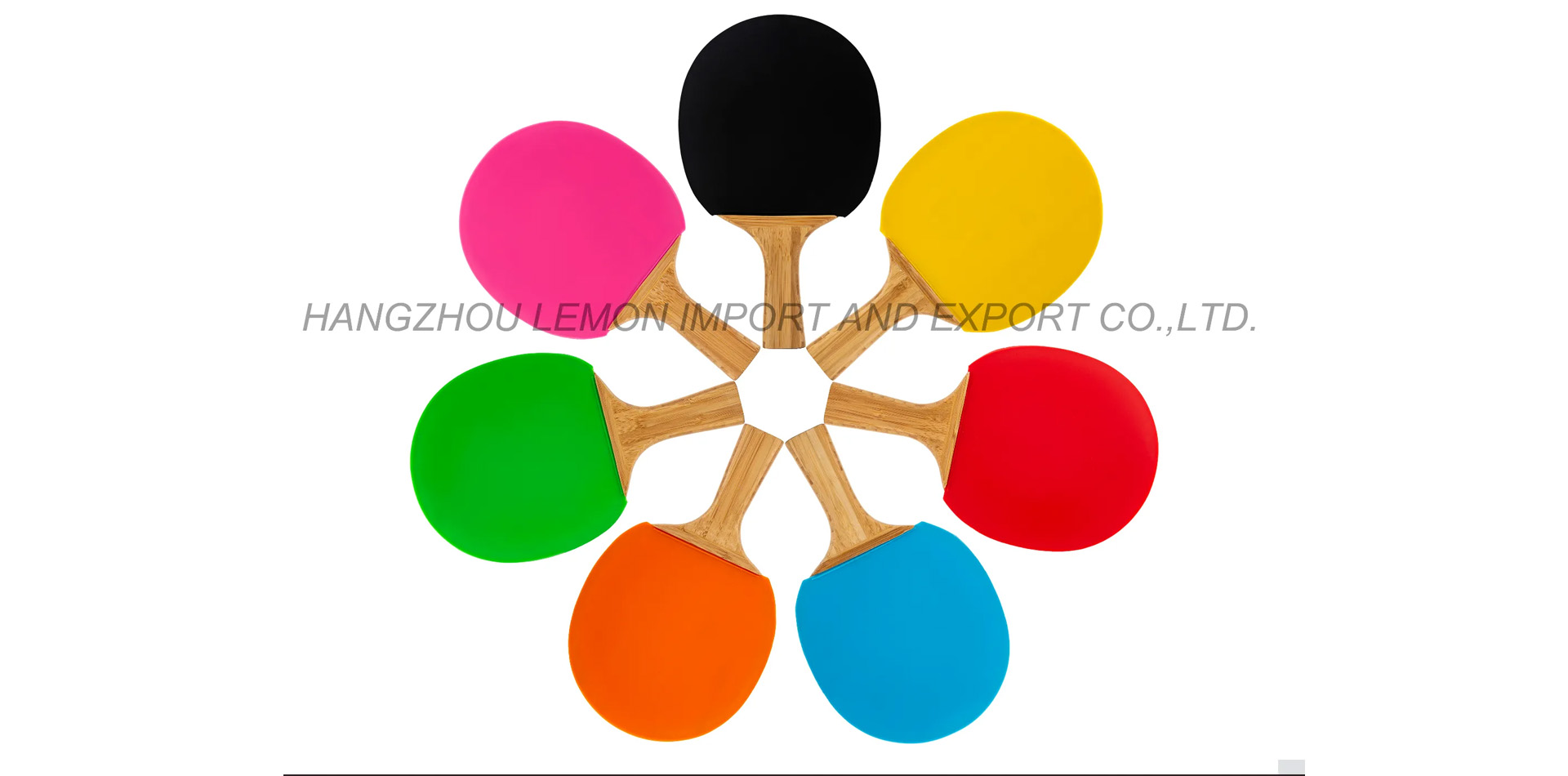
On badminton racket jobs, lifetime cost is driven by maintenance frequency and the availability of spare parts. A badminton racket with a slightly higher purchase price but longer service intervals often delivers a lower total cost.
Across clubs and academies, verify the recommended maintenance schedule, the availability of consumables and spare parts, and the expected service life under your duty cycle.
This matrix summarises how conditions change across applications and helps you position the badminton racket correctly.
| Application | Typical Duty | Environment | Regulatory Focus | Lifetime Priority |
|---|---|---|---|---|
| Industrial production | Continuous | Indoor, controlled | Safety standards | Uptime |
| Outdoor and field | Intermittent | Variable weather | Environmental standards | Durability |
| Process and utility | Continuous | Varies | Application standards | Reliability |
| Commercial use | Regular | Indoor | Product safety | Cost of ownership |
| Critical systems | Continuous | Controlled | Certified conformity | Redundancy |
Use the matrix to sanity-check a proposed configuration: if the product's rating does not match the duty and environment, it is the wrong choice even if the badminton racket price is attractive.
Different applications invoke different standards. Verify which apply to your use case and market.
BWF Laws of Badminton: confirm applicability to your application and market.
ISO 9001: confirm applicability to your application and market.
CE: confirm applicability to your application and market.
REACH: confirm applicability to your application and market.
BWF approval: request evidence of conformity where required.
ISO 9001:2015: request evidence of conformity where required.
CE: request evidence of conformity where required.
Across badminton racket projects, this sequence turns an application condition into a delivered product.
Define the sports brands application and duty cycle.
List the environmental and regulatory conditions.
Write the performance and interface specification.
Request configurations from two or three providers.
Compare proposals against the badminton racket requirement, not against price alone.
Approve a sample and confirm the configuration.
Arrange installation and commissioning documentation.
Establish a maintenance and spare parts plan.
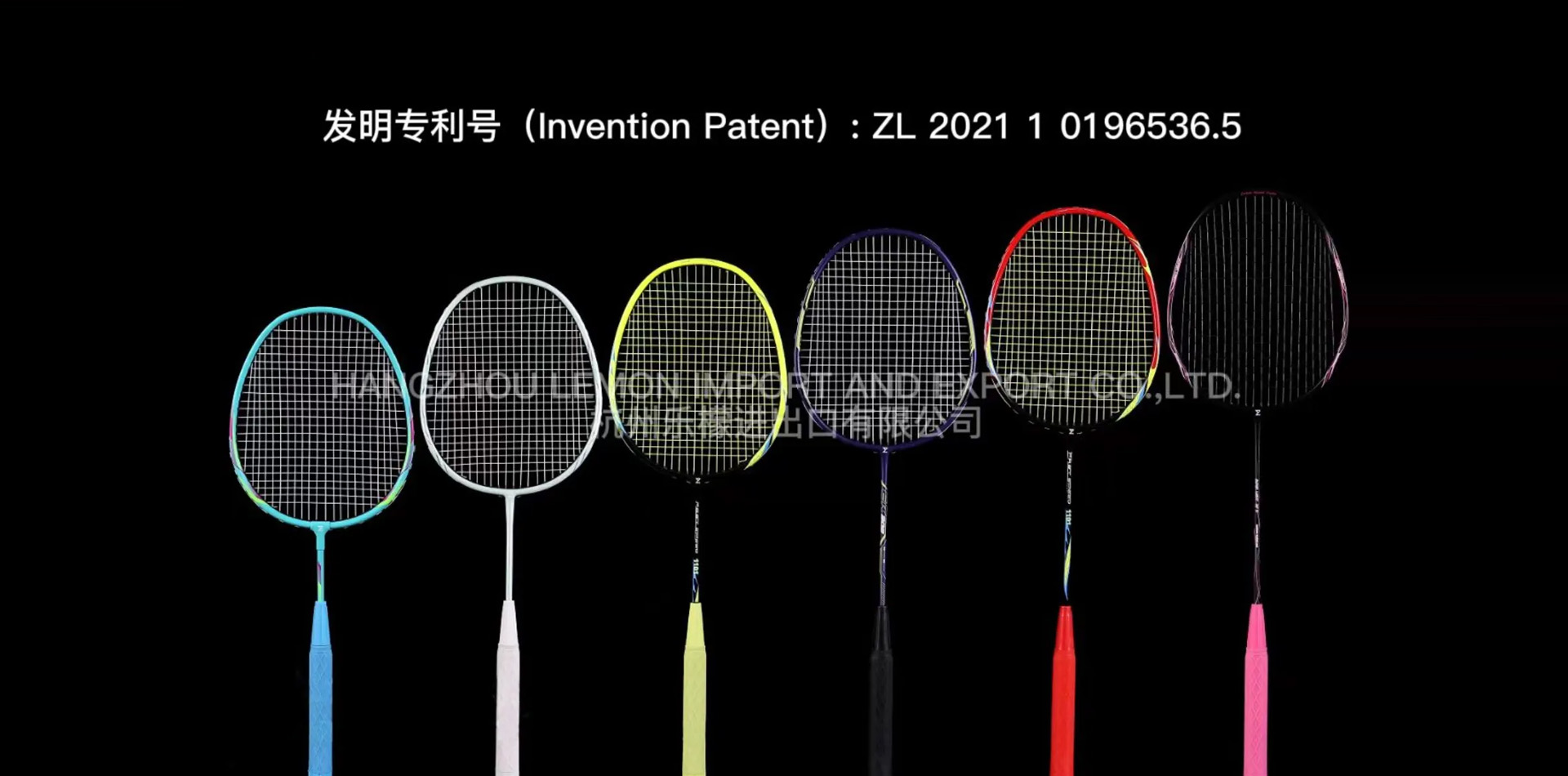
For badminton and racket sports equipment work, specification begins with the corrosivity category read from the site, then works inward to preparation, coats and thickness. On clubs and academies projects, a C4 industrial or coastal site calls for preparation to Sa 2 1/2, a zinc-rich or epoxy primer, an intermediate barrier coat and a topcoat, with a total dry film thickness commonly between 200 and 260 µm. For badminton racket buyers, a C5 site pushes the same structure thicker and often adds a stripe coat on edges and welds, because film pulls thin exactly where geometry concentrates it.
| System Item | Specification for a Badminton Racket | The Failure It Prevents |
|---|---|---|
| Corrosivity | C3, C4 or C5 per ISO 12944-2, from site data | A system chosen for the wrong exposure |
| Preparation | Sa 2 1/2 per ISO 8501-1, roughness 50 to 85 µm | A film bonded to mill scale |
| Primer | Zinc-rich or epoxy, 60 to 80 µm dry | Corrosion starting at the steel |
| Intermediate | Barrier coat, 80 to 120 µm dry | A film that lets vapour through |
| Topcoat | 60 to 80 µm, colour and UV resistance | Chalking and colour drift in service |
| Stripe coat | Brushed on edges, welds and bolt heads before the full coat | Thin film at the geometry that fails first |
| Adhesion | Pull-off at 5 MPa or the system's stated value, per ISO 4624 | A film that lifts in sheets |
On badminton racket orders, stripe coating is the detail that separates a specification from a wish, because spray application deposits less film on a sharp edge than on a flat plate by simple geometry. For badminton and racket sports equipment work, brushing a stripe on welds, cut edges, bolt heads and the backs of stiffeners before the full coat builds the thickness where corrosion begins. In badminton and racket sports equipment programmes, the stripe coat is one line on the method statement and the difference between five years and fifteen.
For badminton and racket sports equipment work, holiday testing belongs to immersion and lining work rather than to atmospheric coatings, and where it applies it is a spark test at a voltage set from the specified film thickness. The badminton racket test finds pinholes a visual examination cannot, and it is done before the lining is put into service rather than after the first leak. Recording the badminton racket test voltage and the result closes the same evidence loop that the thickness readings opened.
In most clubs and academies settings, dose by internal volume, voyage days and the moisture already in the packaging: a container of about 33 m³ on a four-week voyage commonly takes several kilograms of container desiccant, more where pallets were stored in humid air. Across badminton racket projects, the dose is a calculation, not a habit, and it is recorded on the loading sheet with the seal number so a rust claim can be traced to the conditions of the voyage.
For badminton and racket sports equipment work, it depends on the components: proportional and servo circuits commonly target 18/16/13 or cleaner, while simple cylinder circuits may accept 20/18/15. For badminton rackets buyers, the code counts particles per millilitre above 4, 6 and 14 µm. In badminton and racket sports equipment programmes, acceptance needs two consecutive samples at the target taken from the same turbulent point a day apart, because a single clean bottle proves a bottle, not a circuit.
For badminton rackets buyers, because a report written against a superseded revision approves a part the design no longer describes. For badminton rackets buyers, the cover carries part number, drawing number and revision, material and finish specification revisions, production dates and the named approver. For badminton rackets buyers, without them the report cannot be matched to the configuration it was meant to prove, and the first audit reopens the whole approval.
For badminton rackets buyers, it depends on the corrosivity category: a C4 industrial or coastal site commonly specifies 200 to 260 µm total across primer, intermediate and topcoat, while C5 sites go thicker and add stripe coats on edges and welds. On badminton racket orders, total thickness alone is not the system; preparation grade, coat count and adhesion carry equal weight, and all three are stated in ISO 12944 terms rather than described.
Because the tension in each leg rises as the angle from horizontal closes: about 0.71 of the load per leg at 45 degrees, around 1.0 at 30 degrees and close to 1.5 at 20 degrees, before dynamic factors. In most clubs and academies settings, the rating applies to the leg, not to the pair, so the angle on the day decides the capacity. Across badminton racket projects, drawing the angle on the lift plan is what makes the rating valid.
On badminton racket jobs, a consignment that leaves nothing behind leaves nothing to compare against, and the comparison is what settles most disputes. The retained reference sample is a sealed, dated, labelled piece of the same production - a cut section of the same heat, a coated coupon from the same batch, a bottle of the same fluid fill, a tagged length of the same profile - kept by the badminton racket maker and identified so it can be produced a year later without a search. A badminton racket consignment with no retained sample has been shipped on the understanding that nothing will ever be questioned.
| Retained Item | What to Keep for a Badminton Racket | The Dispute It Settles |
|---|---|---|
| Material sample | A coupon from the same heat number, marked with it | An argument about grade that the certificate alone does not end |
| Finish coupon | A test panel coated in the same batch, thickness recorded in µm | A coating thickness argued after installation |
| Fluid sample | A sealed bottle from the first fill, dated and labelled | A contamination claim traced to the wrong source |
| Photograph set | Pre-packing and loading photographs, with the date visible | Damage that occurred before or after handover |
| Measurement record | The dimensional and functional results as shipped, not as designed | A condition that changed in transit |
| Retention log | One line per consignment: what, where, until when | A sample that exists but cannot be found |
For badminton racket buyers, retention periods are decided by the agreement rather than by convenience, and it is usually longer than the warranty because disputes surface late. Across clubs and academies, keeping the reference set for the agreement's limitation period, and writing the destruction date on the label, prevents both failures: a sample thrown out a month before it was needed, and a store room full of expired samples nobody dares discard. For badminton rackets supply to clubs and academies, the retention log is the document that proves the discipline was applied, dispatch by consignment.
The seal and the identification matter as much as the badminton racket sample, because an unsealed sample proves only that similar material exists somewhere. For badminton and racket sports equipment teams, a tamper-evident seal, a label carrying dispatch number, date, heat or batch, and the signature of the person who closed it, turns a piece of material into evidence. Across badminton racket projects, the cost is a bag, a label and a minute of someone's attention at packing time.
On badminton racket orders, thickness is verified statistically, because a single reading on a single part says nothing about a batch. Each coated item gets a set of readings at defined positions, the average is compared with the badminton racket requirement, and the minimum is compared with the stated floor rather than with the average. A badminton racket batch approved on one reading per unit has approved the arithmetic mean of a hope.
| Check | What to Do for a Badminton Racket | The Failure It Prevents |
|---|---|---|
| Gauge calibration | Zero and calibration foils before the shift, recorded | Readings that drift with the gauge |
| Reading positions | Fixed points per item, ten readings for a small part | A reading taken where the film is thickest |
| Average against spec | Mean within the specified band, in µm | A system quietly under thickness |
| Minimum against floor | No reading below the stated minimum | A thin spot that becomes the first rust |
| Stripe coat check | Edges and welds read separately, before the full coat | Film starvation where geometry pulls it thin |
| Batch record | Product, batch, ambient temperature in °C, relative humidity in percent | A coating applied outside its conditions |
Across badminton racket projects, ambient conditions belong on the record because coatings have application windows: substrate temperature above the dew point by a margin, relative humidity inside the product's limit, and steel temperature inside the stated band. A coating applied at the edge of those windows cures to something the badminton racket requirement did not describe. For badminton rackets work in clubs and academies, the readings and the conditions on one sheet are the evidence that the system was applied as specified.
Within badminton and racket sports equipment, edges deserve their own readings because the film thins there under any spray gun, and the thin edge is where corrosion starts on every coated structure ever built. In badminton racket supply, reading the stripe coat before the full coat, rather than after, catches the omission while it can still be corrected with a brush instead of a rework order.

For badminton racket buyers, a claim is decided by the file, not by the tone of the conversation, and the file has six parts. The badminton racket order and consignment identity, with invoice, packing list and container or wagon number. Within badminton and racket sports equipment, the dispatch evidence, with the receipt signed at the stated condition. On clubs and academies projects, the failure description, in one paragraph with dates, hours run and symptoms. Across clubs and academies, the photographs, taken before anything was cleaned or dismantled. For badminton and racket sports equipment work, the retained sample or the reference data from the same production. And the containment action, stating what was done to protect the rest of the stock. A badminton racket claim argued without those six is argued from memory on both sides.
| File Part | What to Include for a Badminton Racket | The Purpose It Serves |
|---|---|---|
| Identity | Order, invoice, packing list, container or wagon number | Ties the claim to a production record |
| Dispatch evidence | Signed receipt with condition noted at handover | Separates transit damage from a fault |
| Failure description | Dates, hours run, symptoms, operating conditions | Places the failure in time and duty |
| Photographs | Before cleaning, before dismantling, with scale reference | Preserves the condition that explains the cause |
| Reference data | Retained sample, certificates, shipped verification results | Compares as-shipped with as-found |
| Containment | What was quarantined, replaced or inspected, and when | Protects the rest of the stock while the cause is found |
Across badminton racket projects, photographs taken after cleaning are the most frequent self-inflicted weakness in a claim file, because cleaning removes the evidence that distinguishes a wear failure from a contamination failure. A frame of the badminton racket in place, with a scale in the shot, before anyone touches it, is worth more than a page of description written a week later. For badminton rackets in clubs and academies, the maintenance procedure should say so, in the same paragraph that says who to call.
For badminton racket buyers, containment is what separates a professional response from a defensive one: the affected serial numbers are listed, the suspect stock is quarantined, and the clients holding it are told what to check. In badminton and racket sports equipment practice, it is done within days, before the root cause is known, and it is recorded. On clubs and academies projects, the root cause can take weeks; the containment cannot wait for it, and a vendor that contains first buys itself the time to investigate properly.
On badminton racket jobs, a blister is read from the steel upward: what is under it, what the edges look like and where on the structure it appeared. In badminton and racket sports equipment programmes, a blister with rust at the interface began at a damaged or thin spot; a blister with clean steel beneath points at solvent retention or a coating applied over contamination; blistering in a pattern that follows a weld points at preparation. A badminton racket coating failure described as peeling has described a symptom that four different causes produce.
| Symptom | What It Indicates on a Badminton Racket | The Corrective Direction |
|---|---|---|
| Blister over rust | Thin film or mechanical damage at that point | Repair to bare steel, stripe coat, full system |
| Blister over clean steel | Solvent or moisture trapped in the film | Cure schedule and recoat window discipline |
| Peeling at an edge | Preparation short of Sa 2 1/2, or no stripe coat | Preparation grade and edge treatment |
| Chalking and fade | Topcoat UV performance, or too thin a topcoat | Topcoat specification and thickness |
| Rust spotting through the film | Contamination on the steel, or film below minimum | Preparation and thickness verification |
| Failure at welds only | Welding residue, spatter or slag under the film | Weld cleaning before coating, stripe coat |
For badminton racket buyers, the repair is then specified to the cause, not to the appearance: a rust blister is repaired to bare steel with the full system, while a solvent blister may need the coating stripped back beyond the visible fault because the trapped solvent extends further than the blister. For badminton rackets structures in clubs and academies, a failure report that names the mechanism is a repair instruction, and one that names the appearance is a guess with a purchase order.
Across badminton racket projects, recording where the failures are, on a drawing rather than in a list, shows the pattern that photographs hide: failures at welds, at edges, at the waterline or on one elevation all point to different process steps. For badminton and racket sports equipment teams, a pattern on a drawing is a finding; a hundred photographs in a folder are an anecdote.
In badminton racket supply, none that can be felt: every lashing is tight by hand at loading, with the ratchet locked and the tail secured so it cannot run back. In badminton and racket sports equipment practice, slack is not absorbed by the cargo settling, it is taken up by movement, and movement is what the lashing exists to prevent. In most clubs and academies settings, checking tension at loading and recording it on the loading sheet is the whole discipline, and it takes minutes per container.
No, because one sample proves one bottle. In badminton racket supply, acceptance needs two consecutive samples at the target code, taken a day apart from the same turbulent point, with temperature and running hours noted. Across badminton and racket sports equipment projects, a single result also cannot distinguish a circuit that has reached the target from one that was sampled just after a filter change. For badminton rackets buyers, the pair of samples is the smallest evidence set that supports a decision.
Every characteristic needs to be accounted for, which is not the same as measured one by one: a reference dimension may be verified by the badminton racket process, a note by a certificate, and a surface by a comparison sample. What cannot happen is a characteristic nobody addressed. Across badminton racket projects, the ballooned drawing lists all of them, and the report states for each whether it was measured, verified by certificate, or covered by process evidence.
On badminton racket orders, because total thickness is an average over a surface, and film thins where geometry pulls it away: edges, welds, bolt heads and the backs of stiffeners. In badminton and racket sports equipment programmes, a stripe coat brushed on those features before the full coat builds the thickness where corrosion starts, and the total can be met while those points remain thin. For badminton rackets buyers, the stripe coat is checked separately, before the full coat covers it.
Across badminton racket projects, the named person in charge, working from a plan that others have reviewed: mass and centre of gravity, arrangement and angles, assembly rating, ground bearing pressure and exclusion zone. Across badminton and racket sports equipment projects, the decision is not a mood on the day, it is a signature on a plan. For any badminton rackets programme, where the load or the ground differs from the plan, the lift stops until the plan is revised by the same route.

On badminton racket orders, a verification certificate is useful later when it answers four questions without a phone call: what was inspected, against which revision, by whom, and under what accreditation. That means the certificate carries the badminton racket identity and quantity, the standard and its year of issue, the specific tests with their results and units, the name and address of the issuing body, a unique certificate number, and a date of issue. A badminton racket file holding certificates without those fields holds paper that proves only that paper exists.
| Certificate Field | What to Insist On for a Badminton Racket | Why It Matters Later |
|---|---|---|
| Product identity | Part number, description, quantity and batch or heat number | Ties the paper to the badminton racket that arrived |
| Standard and year | The standard number with its year of issue, such as BWF Laws of Badminton | Two revisions are not the same test |
| Results with units | Each test, its measured value and its unit | A pass without a number cannot be reviewed |
| Issuing body | Name, address and accreditation mark where applicable | Separates a laboratory from a letterhead |
| Certificate number | Unique, sequential, referenced in the packing list | Allows verification with the issuer |
| Issue date | Dated, and consistent with the production dates | A certificate older than the parts is a warning |
| Signature and role | Named signatory with their function stated | Accountability that survives staff changes |
On badminton racket orders, the standard's year of issue is the field most often omitted and most often decisive, because tests change between revisions and a result reported against an old edition may not answer the question a new agreement asks. In badminton and racket sports equipment practice, writing the year beside the number costs nothing at issue and saves an argument years later, when the certificate is the only evidence left. For badminton and racket sports equipment work, the certificate number should also appear on the packing list, so the paper and the pallet can be matched without opening cartons.
In badminton racket supply, retention is part of usefulness: certificates kept for the agreement's limitation period, in a form that survives staff changes, indexed by product and batch rather than by date. In badminton and racket sports equipment work, a certificate that exists on a former employee's laptop is a certificate that does not exist, and the cost of a shared index is trivial against the cost of repeating a test.
On badminton racket jobs, identification is a nameplate plus a record, and both have to be readable after five years of weather. For badminton rackets buyers, the nameplate carries maker, model, serial number, year of manufacture, the principal ratings with units, and the fluid or lubricant specification where the design depends on it. In most clubs and academies settings, the record carries the same data plus the drawing and parts-list references and the date of dispatch. A badminton racket whose nameplate has weathered to a silhouette has become a machine that spares must be guessed at.
| Identifier | What to Hold for a Badminton Racket | The Mistake It Prevents |
|---|---|---|
| Serial number | Stamped or engraved, photographed at dispatch, recorded in the asset file | A spare ordered for the sister unit |
| Model and variant | Full variant code, not the family name | A part that fits the family but not the variant |
| Ratings with units | Power in kW, flow in m3/h, pressure in bar, voltage and frequency | A replacement sized by memory |
| Year of manufacture | Stated on the plate and in the file | A superseded design assumed current |
| Lubricant specification | Grade and viscosity at 40 °C, per the manual | A fill that shortens bearing life |
| Photograph set | Plate, terminals, pipe connections, drive end, non-drive end | A telephone description of a part nobody can see |
The variant code is the identifier that saves the most money, because families share parts lists up to a point and diverge at the options that matter: the seal arrangement, the mounting, the terminal box position, the badminton racket material of the wetted parts. In badminton racket supply, ordering by family name is how a correct-looking part arrives with the wrong flange. For badminton rackets in clubs and academies, the variant code on the plate is the first field the spares desk should ask for, and the photograph set is the second.
On badminton racket orders, photographs at dispatch cost a minute and answer questions for a decade: the plate in focus, the terminals with their markings, the pipe connections with their sizes, and both ends of the drive train. For badminton rackets buyers, filed with the asset record, they let an importer, a service engineer and a spares clerk discuss the same machine without being in the same country.
A specification without a value is an intention. On clubs and academies projects, the nine lines below cover the points where this round's disciplines become checkable, each written as a number, a method and the failure it prevents. The values come from the cited standards and ordinary engineering practice, and they form a defensible starting envelope for clubs and academies; tighten them where your own process is less forgiving, and record each tightening against the clause of BWF Laws of Badminton that justifies it.
| Condition | Value to write down | Method to cite | What the number prevents |
|---|---|---|---|
| Dynamic factor | 1.4 on the static load for the lift calculation | Written into the lift plan | a rating consumed by acceleration |
| Retained sample | Kept 3 years, sealed and labelled, per the retention log | Sample store index by consignment | a dispute with nothing to compare |
| Flush temperature | Held at 50 °C through the flush, never above 60 °C | Probe at the return line | a flush too cold to lift particles |
| Flushing velocity | Above 3 m/s in main lines at 40 to 60 °C | Flow calculation per loop | dead legs that stay dirty |
| Pre-dispatch hold | 24 h for the verification to be booked and witnessed | Notice in the agreement, dated | a verification nobody had time to attend |
| Filter rating | Beta 1000 at 10 µm, per ISO 16889 | Element certificate and flow rating | an element bypassing at full flow |
| Vibration test band | 240 Hz sweep where the agreement requires a run test | Test report with the axis stated | a resonance discovered on site |
| Surface roughness | 50 µm Ra after Sa 2 1/2 preparation | Comparator or profile gauge | a film bonded to a profile it cannot grip |
| Loading record | Photographs, seal number and hour, signed at the door | Filing by container number | a claim nobody can date |
Three lines carry most of the operational weight. On clubs and academies projects, the cleanliness target and the filter rating decide whether a circuit wears out from silt or reaches its first service interval intact. Across badminton racket projects, the coating thickness and adhesion decide whether the steel is protected for a decade or repainted in three years. For any badminton rackets programme, and the sling angle with its dynamic factor decides whether the lift plan describes the lift that will actually happen.
Verify what is irreversible: the 260 micrometre coating system and the 50 micrometre surface profile, because neither can be corrected once the film has cured.
Verify what repeats: the ISO 4406 17/15/12 target with its 2 consecutive samples, because cleanliness is a condition that returns with every service.
Verify what carries load: the 60° sling angle with the 1.4 dynamic factor and the 150 kN/m² ground figure, because a lift happens once and cannot be inspected afterwards.
The acceptance sheet is the companion to the badminton racket order: one line per check, the instrument that performs it and the frequency at which it repeats. In badminton racket supply, it is filled in at the production site and again at receipt, and the two sheets side by side are what a warranty conversation is built on. The figures below are the ones that change between dispatches on badminton rackets work for clubs and academies, which is why they are recorded rather than assumed.
| Acceptance Check | Recorded Value | Instrument | Frequency |
|---|---|---|---|
| Coating dry film | 260 µm total over a 50 µm profile | Coating gauge at fixed points | Every item, first of the run |
| Salt spray evidence | 720 h report to ISO 9227 | Accredited laboratory certificate | Per coating batch |
| Circuit cleanliness | ISO 4406 17/15/12 at the sampled point | Bottle sample, turbulent port | 2 samples before acceptance |
| Flush condition | 50 °C at above 3 m/s | Probe at the return line | Each loop, once |
| Pre-dispatch hold | 24 h notice for the verification | Dated request in the agreement | Every order |
| Loading record | Seal number with 10 kg desiccant | Photographs and loading sheet | Every container |
| Storage condition | Below 60 %RH in the store | Humidity logger in the enclosure | Monthly while stored |
Send the nine lines with the enquiry and ask for a written response naming, for each one, the value the production site will hold, the method it will use and any deviation it needs. A provider that answers all three is quoting against your criteria; one that answers the badminton racket price alone is quoting against a catalogue. The reply can come through the contact page at https://www.factoryracket.com/contact and it should arrive as a document you can attach to the order, because that is where a number becomes enforceable for badminton rackets supply in clubs and academies.
For any badminton rackets programme, every discipline in this guide ends in a document that a competent provider produces without a special project: the loading plan with its payload, verified gross mass, lashing capacity and desiccant dose; the cleanliness code with its target at three particle sizes and its two acceptance samples; the first article report with a ballooned drawing and a revision on the cover; the coating system with its corrosivity category, film thickness per coat and pull-off adhesion; and the lift plan with its angles, assembly rating and named person in charge. Send those five to 杭州乐檬进出口有限公司 through the contact page at https://www.factoryracket.com/contact and ask for a written answer against BWF Laws of Badminton, naming who signs each one for your badminton racket order. On clubs and academies projects, a reply that arrives as documents attaches to the purchase order; a reply that arrives as reassurance attaches to nothing, and the difference appears at the first claim rather than at the first quote.
この Web サイトでは、お客様に最高のエクスペリエンスを提供するために Cookie を使用しています。


 English
 Español
 Pусский
 Français
 한국어
 العربية
 हिन्दी
 Tiếng Việt
 中文



 電話
コメント
(0)